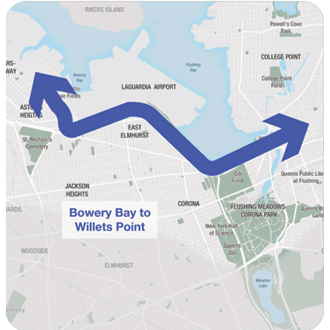
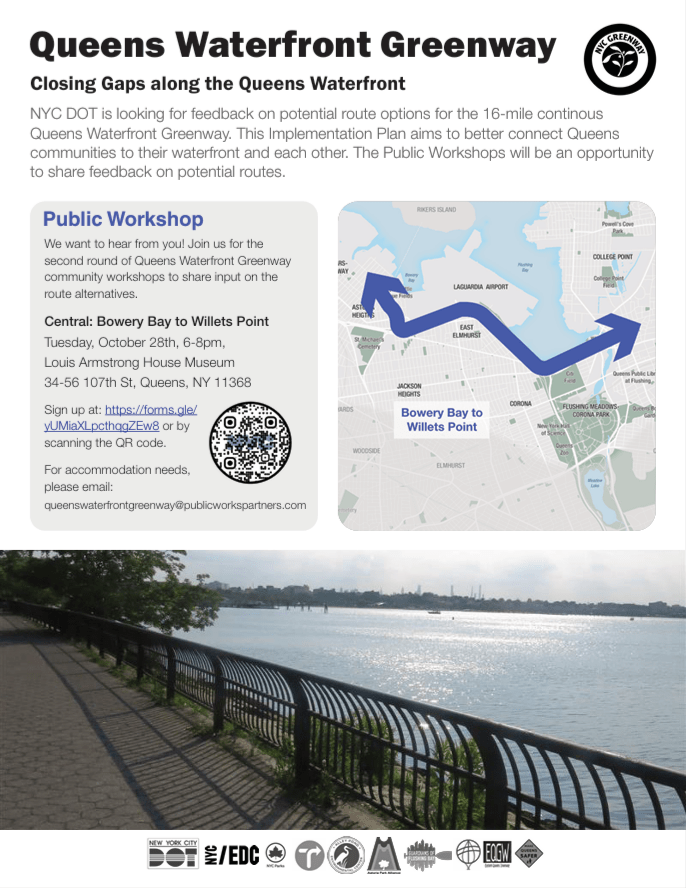
Less than a week remains before a pivotal community workshop that will shape how Queens connects to its waterfront. NYC DoT will present Round Two of planning for the Northern Queens Waterfront Greenway which will eventually create a safe connection from the East River with Fort Totten. Tuesday night we’ll be discussing the central segment running from Bowery Bay to Willets Point.
This is a working session where neighbors translate everyday needs into real design choices for safer streets, continuous walking and rolling routes, and better access to parks and transit. Register in English, Spanish, Mandarin, or Hebrew so that you can come to Louis Armstrong House Museum on Tuesday, October 28 from 6-8pm.
Why your presence matters
The Greenway will be a tangible improvement in daily life for people who walk, bike, push strollers, use mobility devices, commute, run small businesses, or simply want safer streets for their children. Some parts of Queens already has beautiful greenways and we want to fight to build them in every community.
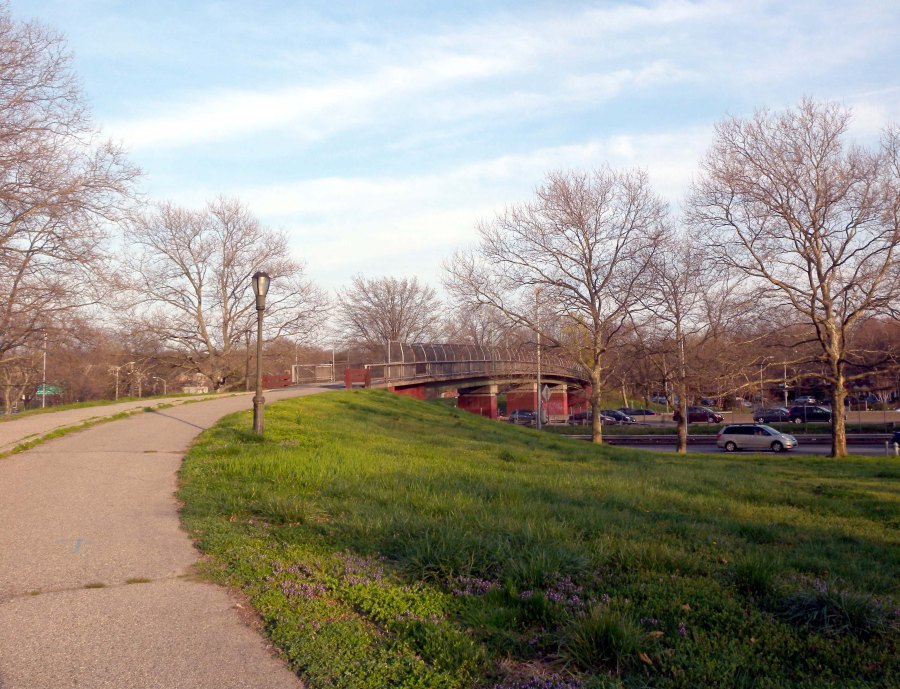
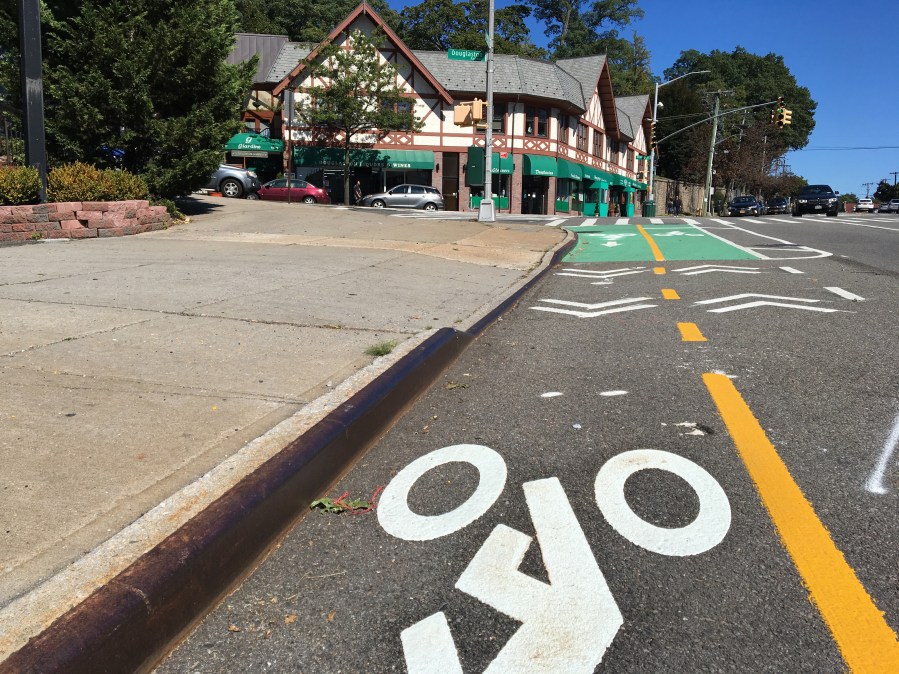
In addition to creating/improving greenspaces, we need to also build connections so people can get to them. Design decisions made at this stage determine where protected bike lanes and safer crossings go. These will be the key walking and biking pathways for those who can not use a car, like our kids and disabled neighbors.
When local voices are missing or drowned out by loud, organized disruption, designs can slip toward compromise that favors speed and convenience for cars rather than safety for residents. Showing up ensures your priorities—safe crossings, continuous paths, and equitable access—are part of the official record and the final design.
What You Should Bring To The Meeting
We should focus on finding the best routes through our community. Recently our group published some ideas for a different section of the Northern Queens Waterfront Greenway. Our plan is just east of what you’ll be discussing on Tuesday. Which paths do you think would help the most people in your community? How can we help neighbors stop by commercial districts and kids get to schools?
Also it’s important to come just to support the project in general. Historically New York has been very slow to roll out greenways (we’ve been fighting for the Eastern Queens Greenway for a long time and have yet to see any construction). You just coming to the meeting shows support, which helps prioritize this important infrastructure. One of our members, Ben Turner, was interviewed on New York 1, talking about the value a Northern Queens Waterfront Greenway would bring to local residents. “It’s good for people’s health, it’s good for the environment, and it’s good for people’s pocketbooks,” he said.
This workshop is a standard DoT community feedback session, not a public hearing or a formal community board testimony period. Usually this has a presentation from the DoT and then in small groups residents give their feedback. We’ve seen in the past some mischaracterized of the meeting to create conflict, and we want to avoid those issues so that the residents using this infrastructure are given the space to shape their community.
Come prepared to describe the real obstacles you face today: dangerous crossings that need signals, sidewalks that force strollers into traffic, intersections where a protected lane would keep kids safe, or gaps that leave seniors isolated. If you can, bring concrete suggestions about crossings, routes, parks, and commercial districts. Personal stories and specific locations are the most persuasive contributions at a DoT table. If you want to support neighbors who rely on transit and walking, ask for continuous, barrier-free routes to the waterfront and clear connections to schools, parks, businesses, and transit.
Make sure to register (English, Spanish, Mandarin, or Hebrew) and we’ll see you at the:
Louis Armstrong House Museum
34-56 107th St,
Queens, NY 11368
Tuesday, October 28 from 6-8pm
 Eastern Queens Greenway