
Daylighting, or the process of uncovering buried rivers and streams, is gaining popularity worldwide for its significant social, environmental, and economic benefits. As waterways were once the lifeblood of cities, they transformed hubs of humanity before being buried due to pollution and industrial expansion during the industrial revolution. The ecohydrology-based renaturalization of these waterways is seen as a means to recapture lost spaces and improve the quality of life in cities.
According to the World Economic Forum, a prime example of daylighting’s success is Zurich, Switzerland’s largest city, which has led the way in daylighting covered watercourses. Since the 1980s, Zurich’s officials have supported the Bachkonzept (Stream Concept), driven by the desire to improve public spaces and reduce wastewater treatment costs by keeping clean water in rivers instead of sewers, especially in areas like ours with combined sewer overflow. This approach has led to a greener and more livable city.

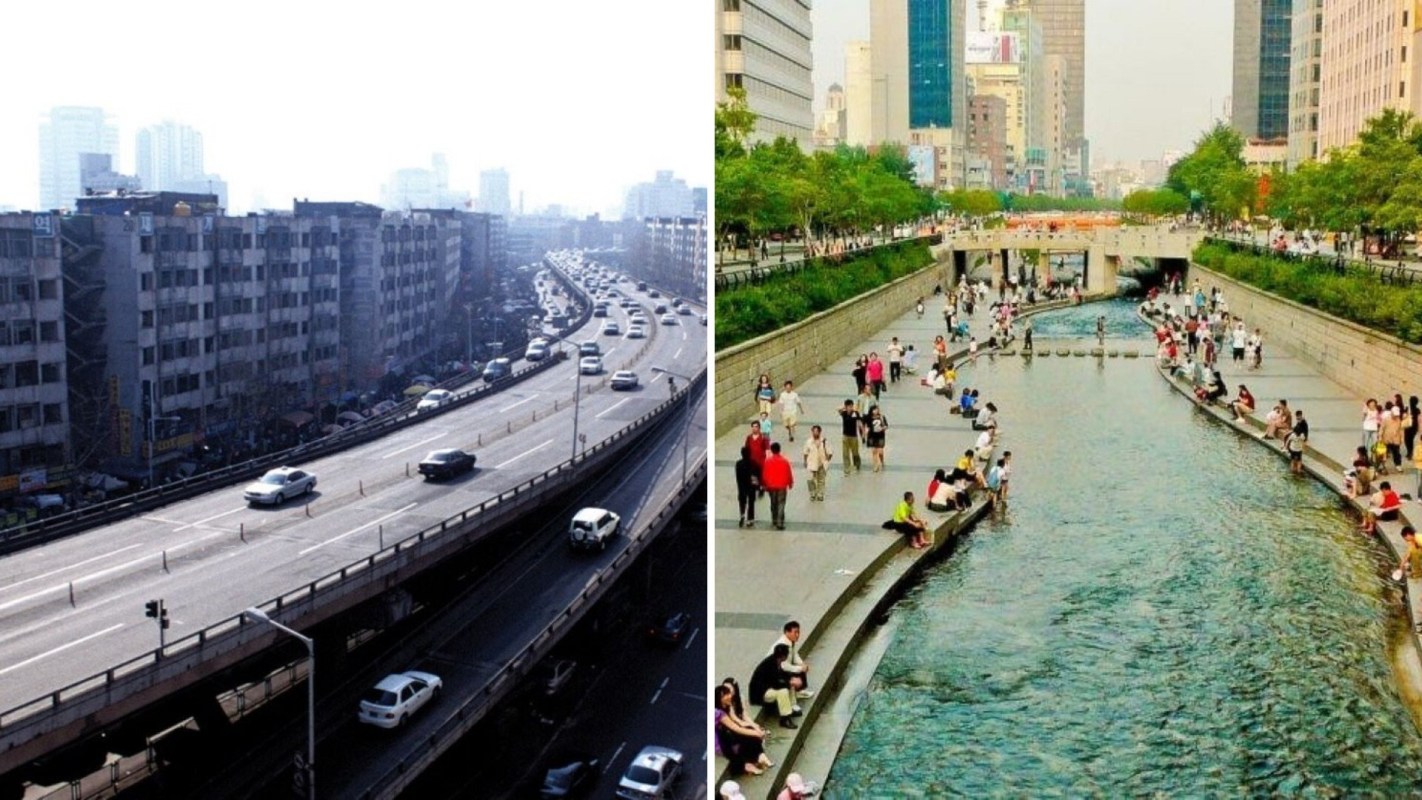
A notable daylighting project is the Cheonggyecheon stream in Seoul, which transformed an elevated expressway site into an artificial water corridor that not only serves as a major flood-relief channel but also attracts over 60,000 visitors daily. This project, highlights how daylighting can create natural habitats, reduce urban heat, and provide recreational spaces, while also boosting local economies by creating permanent jobs. The global trend of daylighting underscores its importance in urban planning and sustainability efforts.
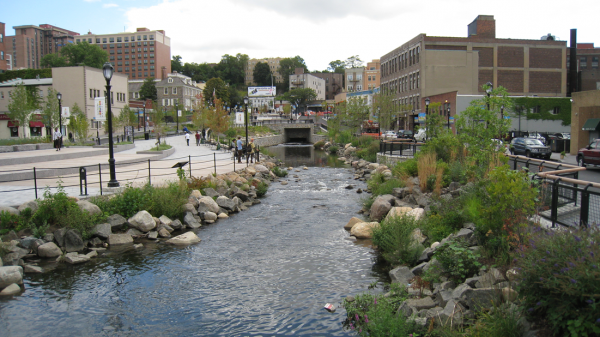
Saw Mill River
The Saw Mill River Daylighting project in Yonkers, has proven to be a tremendous success, attracting community attention and driving urban revitalization. This project provide public access to the river, host events, and serve as venues for education and recreation, thus becoming catalysts for neighborhood revitalization and economic redevelopment.
Historically, the Saw Mill River played a crucial role in Yonkers’ industrial growth. Over time, the river was covered, and by the 1920s, it was hidden beneath Larkin Plaza, which became a parking lot. The daylighting project aimed to uncover this buried river, and through a collaborative effort involving the US Army Corps, EPA, National Park Service, and local partners like Groundwork Yonkers, the vision became a reality. The project received critical funding from the EPA and local foundations, which helped sustain community involvement, habitat planning, and construction efforts, resulting in long-lasting partnerships.
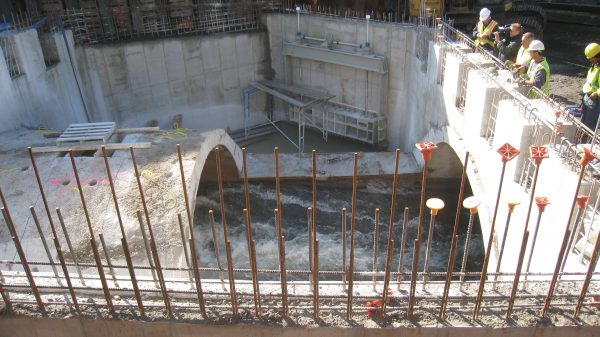
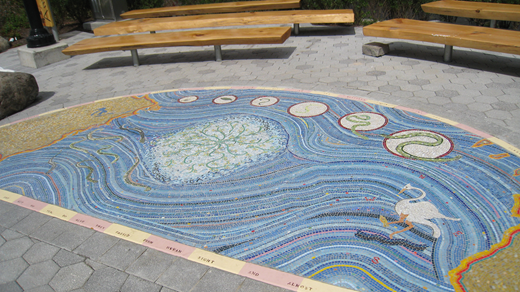
The ecological and cultural impacts of the Saw Mill River Daylighting project have been remarkable. The new river path created to manage overflow during heavy rainstorms has quickly become a thriving habitat for various species. The park now attracts visitors with its beauty and the sound of flowing water, hosting tours, art shows, and events. Economically, the park has spurred redevelopment, leading to significant investments and job creation in the surrounding area, showcasing the multifaceted benefits of daylighting urban waterways.
Tibbetts Brook
New York City has made significant progress in its ambitious project to “daylight” Tibbetts Brook and extend the Putnam Greenway in the Bronx. After years of a stalemate, Mayor Eric Adams announced an agreement with CSX Transportation to purchase a critical piece of property for $11.2 million, allowing the city to proceed with the project. This involves rerouting Tibbetts Brook above ground which will reduce combined sewer overflows by 228 million gallons annually, thus improving the health of the Harlem River.
/https://tf-cmsv2-smithsonianmag-media.s3.amazonaws.com/filer_public/24/78/2478e3ef-a6a5-413a-a87c-260996e9f1ae/02_-_s_238_fall_rainy_day.jpg)
In addition to enhancing the sewer system, the project will create new green space within the former CSX rail line property and extend the existing Putnam Greenway, which connects to the 750-mile Empire State Trail. Mayor Adams’ administration’s efforts have been supported by Senator Schumer, various partner agencies, and advocates. According to their website, Van Cortlandt Park Alliance (and its predecessor group, Friends of Van Cortlandt Park) and the Bronx Council for Environmental Quality have been working to get the project approved since the late 1990s.
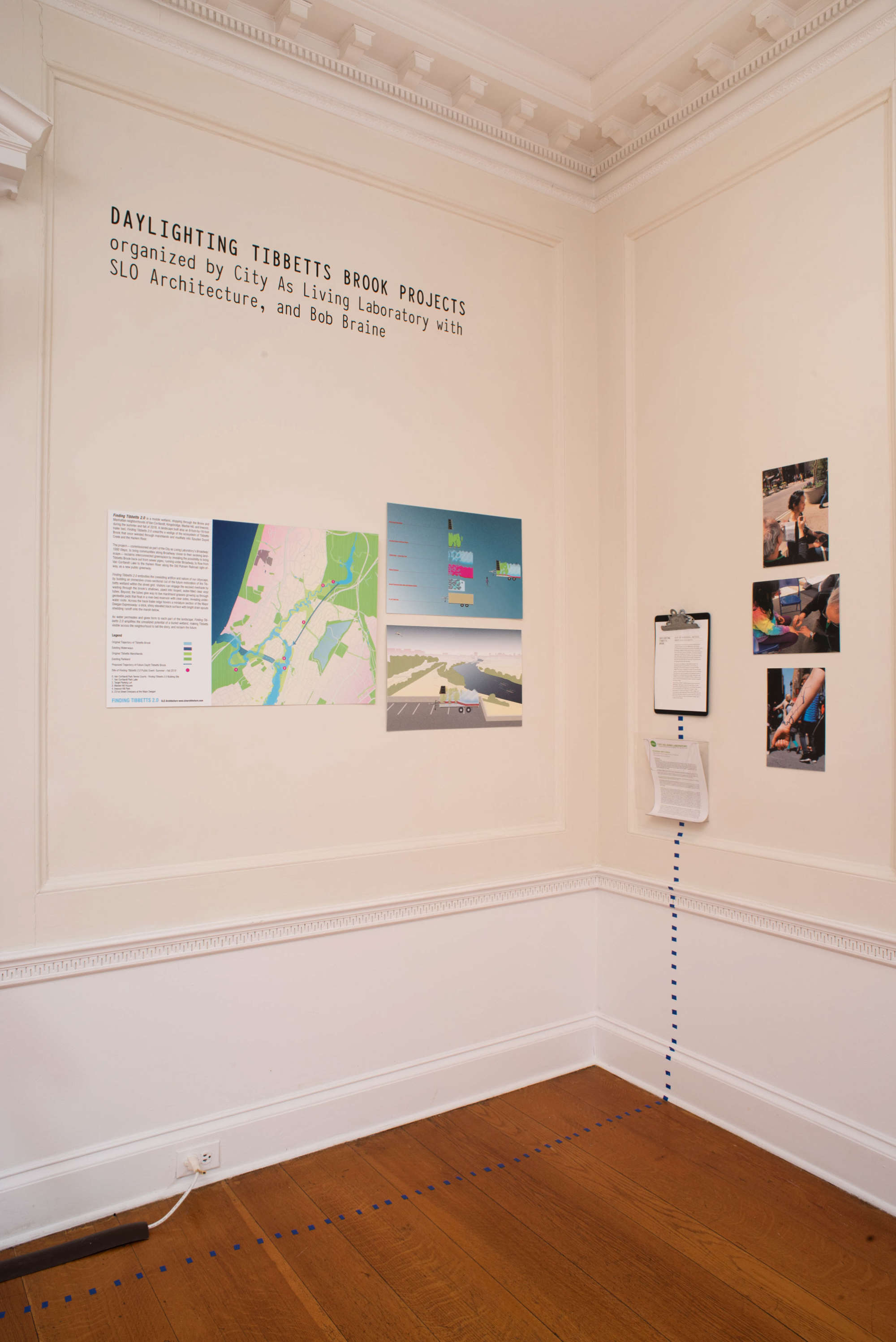
Alexander Levi and Amanda Schachter (SLO Architecture) created “Finding Tibbetts 2.0,” a micro-wetlands installation on a mobile truck bed. This installation traveled to various locations, including Van Cortlandt Lake and the Harlem River, which are near the proposed route for daylighting Tibbetts Brook. Alongside SLO’s project, Bob Braine organized a series of events called “Estuary Tattoos” to highlight the history of the buried wetlands and increase public awareness and empathy for urban ecology. Both of these were highlighted by Wave Hill.
In the Smithsonian Magazine, Angela Licata (deputy commissioner of sustainability for the city’s Department of Environmental Protection) highlights that this initiative is one of the most cost-effective green infrastructure projects. Construction is set to begin this year, with hopes that this will be the first of more daylighting projects under New York City’s Bluebelt Program in conjunction with the Cloudburst Program.
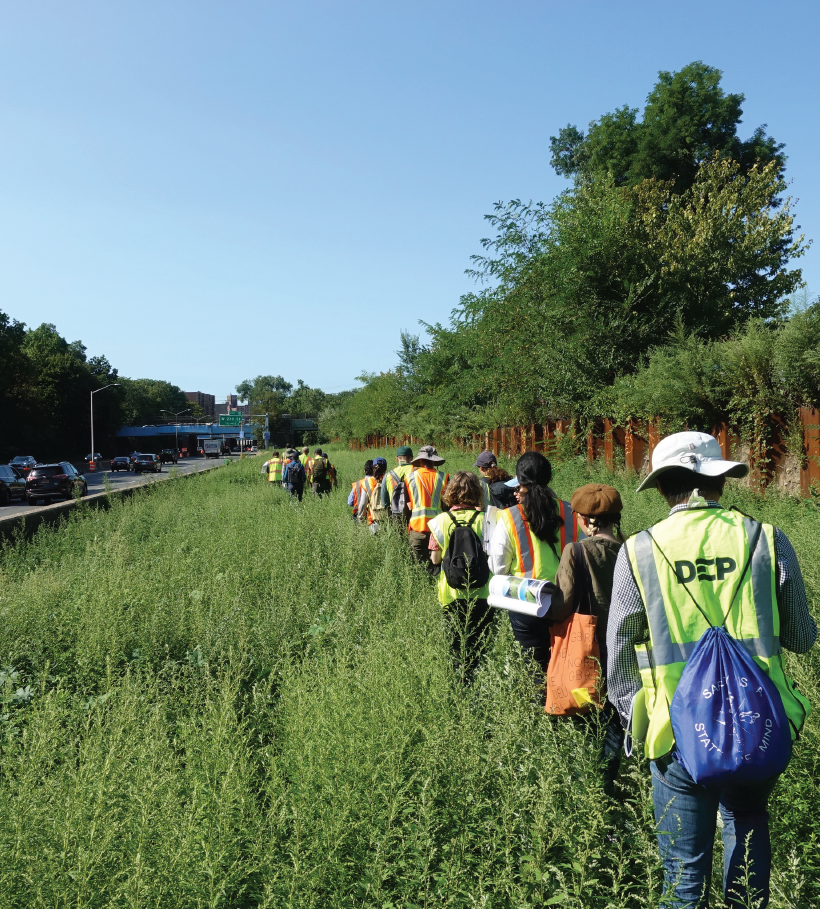
Our Current Opportunity
With $43 million dollars dedicated from the work for Sandra Ung to complete the Eastern Queens Greenway, there is already a lot of improvements set up for our parks.
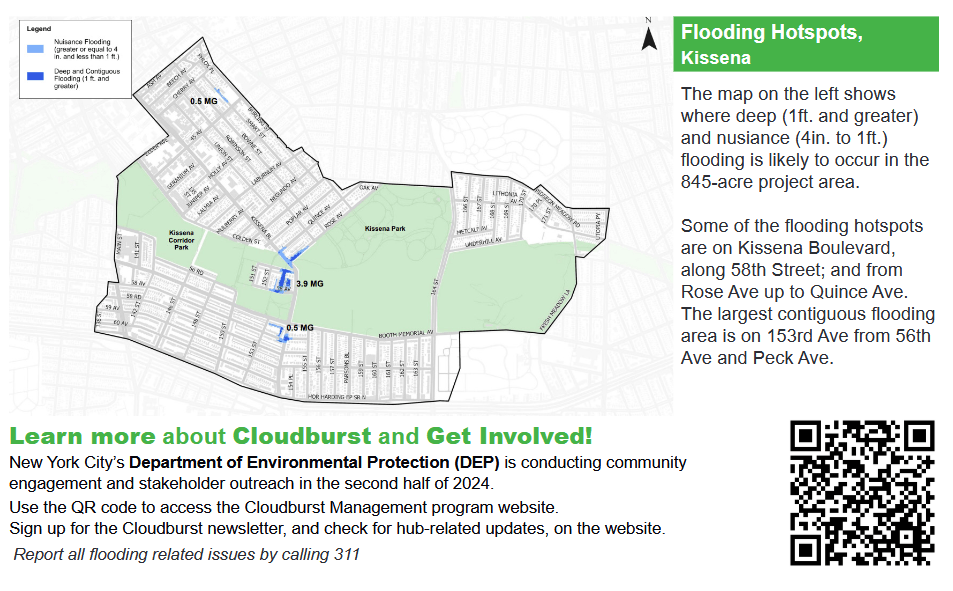
According to the Cloudburst Hub, this is right next to some of the worst flooding in the neighborhood, yet daylighting isn’t being considered yet.
Benefits to Eastern Queens
A river confined to a pipe cannot sustain a healthy aquatic ecosystem. The act of daylighting the stream would reintroduce it into the broader environment, offering profound benefits for plants and animals alike, thereby enhancing biodiversity. The natural process of pollutant filtration would improve, leading to healthier waterways. This would be key in areas like Flushing Bay that have routine fish die-offs due to the lack of oxygen in the water. We feel that a natural filtering river would decrease the combined sewer overflow, which currently relies on adding chlorine kill pathogens.

Presently, this section of Kissena Park is rather lackluster. The existing baseball/football fields, often inundated with water, are far from optimal. Off-leash dogs, roaming illegally, add to the disarray. As the greenway trail is relocated to higher ground, the area risks becoming even more desolate. However, the introduction of a new stream could transform this space into a captivating destination, enticing the community to explore this part of the park. Exposure to natural environments is known to enhance both mental and physical well-being, while daylighted streams foster new areas for communal activities.
Creating a stream from Kissena Park Lake going west through Kissena Corridor Park could have a massive impact on removing flooding from our community. These natural channels can absorb stormwater more efficiently, reducing the risk of urban flooding during heavy rain events. Thus, the restoration of the stream promises not only ecological and recreational advantages but also practical solutions to urban environmental challenges.

 Eastern Queens Greenway
[…] We, more than anyone, respect studies on the project’s impact to animal’s habitats, storm water runoff, how this connects to the street network…but at the end of the day, paving a concrete path […]
LikeLike