There is a particular kind of silence that falls over a New York park at night, the kind that doesn’t last. By mid-morning, the paths are clogged, the lawns are trampled, and there is a low-frequency hum of frustration. You’ll see SUVs blocking paths, motorcycle driving on greenways, and off-leash dogs scaring children. These may be small irritants of city life, but this frictions turns a stroll into a standoff. What we need, what the city quietly deserves, is more Parks Enforcement Patrol.
The Parks Enforcement Patrol, or PEP, is the professional force keeping order in NYC’s 36,000 acres of parks, playgrounds, beaches, and marinas. They are not the NYPD in khaki; they do not carry firearms. They carry a radio, a notebook, and a mind full of de-escalation tools. PEP officers are trained specifically in conflict resolution, in reading a situation before it spikes. Their mandate is education first, enforcement second. They write summonses for blocked paths, for dirt bikes cutting through meadows, for dogs off-leash in zones where the signage is clear but the owners are heedless. And if a situation turns dangerous, if a conflict escalates into physicality, PEP can handcuff and detain.
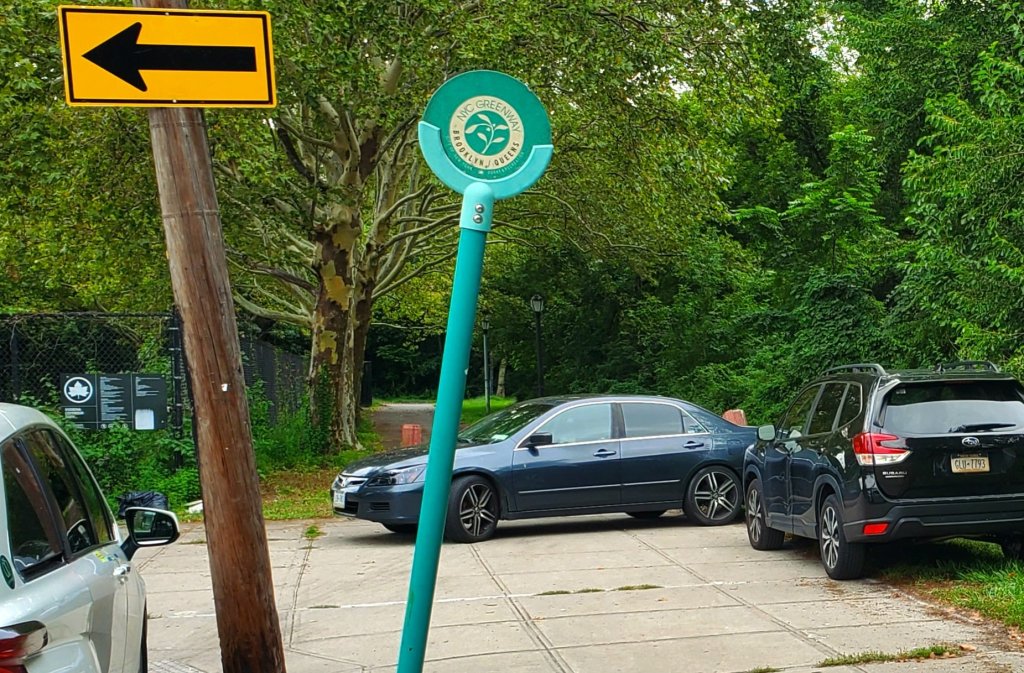
In Kissena Corridor Park a PEP officer was giving a car a ticket for parking on a path, blocking Parks maintenance crews from doing their job. This officer had worked in Hudson River Park previously, and were able to talk down multiple people who were considering jumping to their deaths. Other people who had jumped and survived were saved by this PEP officer. Queens desperately needs more people like this PEP Office, lending a hand to make things better, even when no one else is looking.
The city council, the body that decides where the dollar goes and where the park path ends, has been slow to fund PEP. The budget given for the Parks Department has been stretched thin. The council’s reticence feels, at times, like a failure of focus on the things that actually matter to New Yorkers. There were 1,100 crime incidents reported in NYC Parks in 2025, with Flushing Meadows-Corona Park having 635 calls to 311, the second highest of all parks in the City. When PEP can push out the minor crimes it encourages more people into our parks, which in turn pushes out the major crimes.
The council should fund more PEP because it is a pragmatic office that creates good jobs for NYC residents. Every new officer is a pair of eyes on a path. Every new PEP hire is a small check against the chaos that accumulates in our parks. The council should remember that the next time they open the budget book.
To apply to become a PEP Officer, the path is surprisingly clear. The NYC Parks site, lists the hiring process. Applicants need to pass a basic screening and training. The starting pay is $56,000 plus benefits.
To give NYC more PEP is to say that we value the quiet, respectful maintenance of our shared spaces. It is to admit that the problems of an urban environment can have real solutions with the right training. The way to create a better community is not with more steel or violence, but with more people who know how to talk, how to de-escalate, and how to keep the city’s parks public, open, and peaceable.
UPDATE: Our article has spurred some good conversations with people smarter then us. They’ve reached out and we want to correct the record. Although the PEP Officer we talked to mentioned asking the City Council for more funding, it seems that the City Council has been PEP’s advocate for a while. It’s been the last few mayoral preliminary budgets that have cut service, with the City Council negotiating funding back in. Talking to some people in the know, there is hope that this cut-and-add-back process might be over with the last baseline PEP budget and then hopefully we can advocate to increase funding. The best thing we can say is that the de-escalation of PEP officers is something we greatly need to increase the quality of life in our parks, so we’ll try to hold all our elected officials accountable to it, and praise the ones who work to defend it.

